
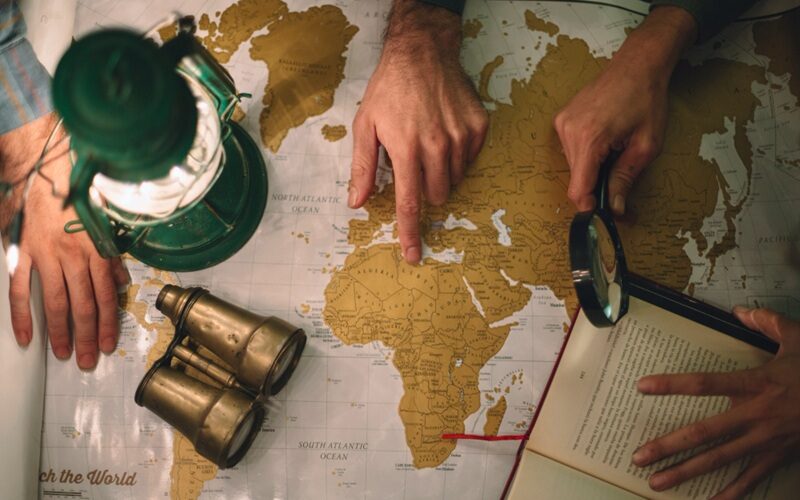
I kid you not, Kenya was a British corporation, yani, it was someone’s private commercial corporation. Its primary goal being commercial profits.
It later transitioned to a protectorate, which gave it a formal political relationship with the British government.
First, I know you’re asking what the hell is a Protectorate?!
Well, A protectorate is a dependent territory or state that retains nominal sovereignty and local autonomy while ceding its foreign policy and defense to a stronger “protector” state through a treaty.
When the Britons came to Kenya in the name of exploring 🙄 and found our ancestors minding their business with nightly dances, spears, and shields, they decided, YEP! We are going to dismantle this! And make it our business! They went right ahead! And formed the Imperial British East Africa Company (IBEAC)
The IBEAC was a commercial enterprise that served as a bridge to formal British colonial rule. It had managing directors! One being George Sutherland Mackenzie. Read about him here
Trade, Land, and Exploitation
Notably, The British East Africa Company (IBEAC) did not include present-day Tanzania. Germany had claimed TZ as the coastal region which they named German East Africa.
Britain claimed territory covering present-day Kenya and Uganda; it was the focus of the IBEAC’s activities. Trade and land grabs.
The foreigners stole our lands with rifles in hand, occupied them, and forced our people to work on their farms and pay hut taxes!
And today they’re crying about immigrants! And it’s hilarious 🤣 that they are complaining when they colonized the whole world and shed blood while at it.
The Responsible Government.
William Mackinnon was the Founder and Chairman of IBEAC from its inception in 1888, until his resignation in March 1893. Later, Arnold Kemball, also a military man, succeeded him as the chairman of the Imperial British East Africa Company (IBEAC).
A Little About William Mackinnon.
He was an active supporter of the Free Church of Scotland. So yes, these were people of Christian faith. In 1891 he founded the East African Scottish Mission. Which later became the Church of Scotland Mission.
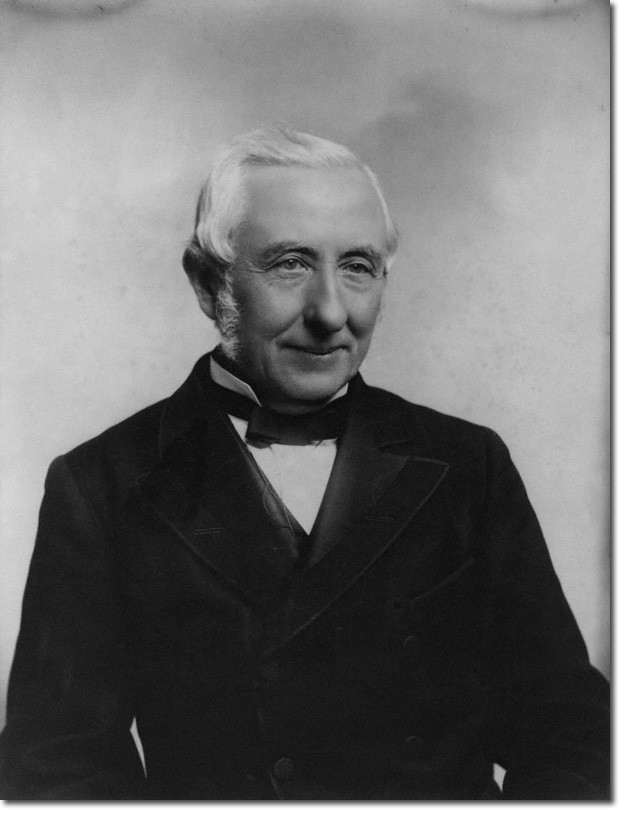
The East African Scottish Mission was apparently established as an interdenominational organization to promote “religious, educational, and industrial objectives” in East Africa. This is where Thogoto came from.
The British East Africa Association was the original or foundation, before the Imperial British East Africa Company (IBEAC), which was formally incorporated in April 1888 and received its royal charter in September of that same year. William Mackinnon is the one who led the organization throughout its foundational years.
However, in 1893: Due to financial strain, the IBEAC transferred its administrative rights to the British government and in 1895, where it was renamed the East Africa Protectorate.
In 1920, The East Africa Protectorate was then declared a Colony and Protectorate of Kenya.
Lots of atrocities happened in between under the direct rule of the British up until the 60s, and in 1963, Kenya gained independence from British colonial rule on December 12. The following year, in 1964, Kenya became a Republic on December 12, with Jomo as its first President.
The Flags They Used Back Then
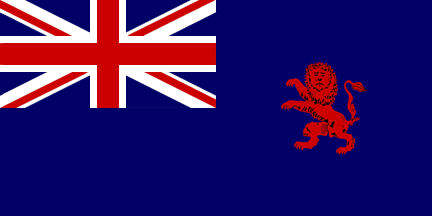
The East Africa Protectorate flag used between 1895 and 1921.
It represented British East Africa, modern-day Kenya, during the early period of British colonial administration. Officially adopted in 1895 following the transfer of administration from the Imperial British East African Company to the British government, remaining in use until 1921.
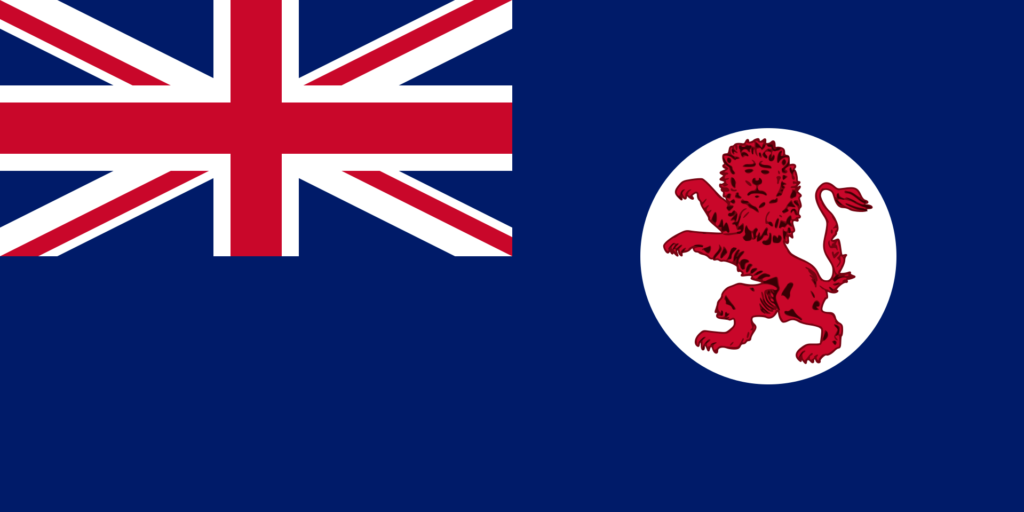
This one was used between 1921 and 1963
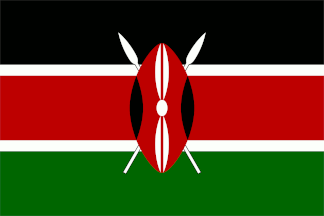
This one was adopted 12 Dec 1963 after Kenya gained its independence.
From Mackinnon’s boardroom to the Protectorate’s bureaucracy, Kenya’s foundation was indeed built on profit, not people. The irony? Those who once colonized the world now fear migration. History has receipts, and Kenya receipts are stamped “IBEAC Property.”
Kenya’s story began as a business deal. A land traded, taxed, and transformed under the guise of commerce. From company to colony, and finally, to country.
History was made, claimed, and wars won by those who wrote about them first in their memoirs.
It cost blood to get where we are today. Yet we still have leaders selling Kenya’s resources for huge bribes!
….And our homeland of Kenya Heritage and splendour Firm may we stand to defend…