
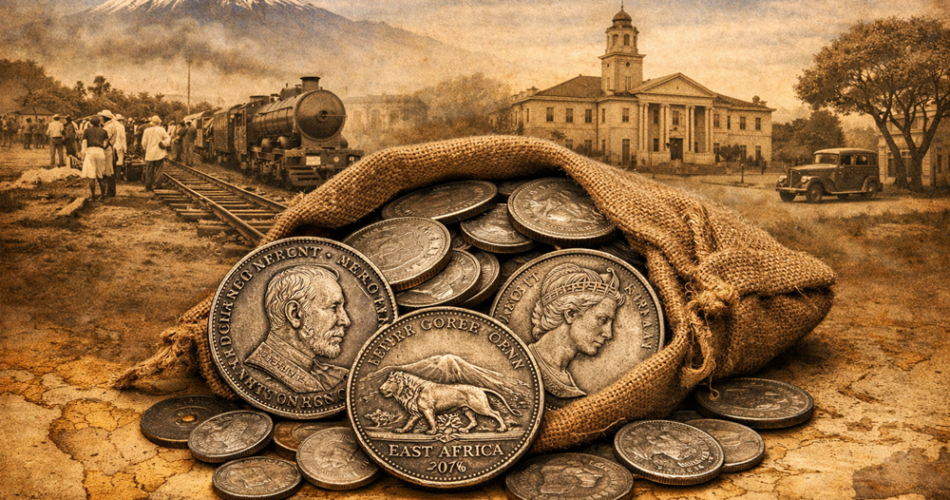
So What Was Rũbia?
“Rũbia” was popular among our grandparents as 2 shillings, especially in Central Kenya. It meant “rupee”, the Indian currency used to trade in Kenya.
The Arrival of the Rupee
The Indian Rupee arrived in Kenya with the Imperial British East Africa Company (IBEAC) under Sir William Mackinnon around 1888–1890, to pay Indian laborers and traders building early infrastructure in the territory.
Rubia/rupee was a silver coin, and it became legal tender in the East Africa Protectorate by 1905. It was later phased out when Kenya became a Crown Colony in 1920 and replaced by the East African Shilling, which was issued by the East African Currency Board.
The Florin
Since the rupee coin was an actual metallic bullion, it exceeded its face value, and people started melting down the coins for silver, creating a severe currency shortage.
Before the shilling came, there was the Florin, which was introduced in 1920 as an “intermediate” currency to help manage the transition from the Indian Rupee to the British sterling-based shilling.

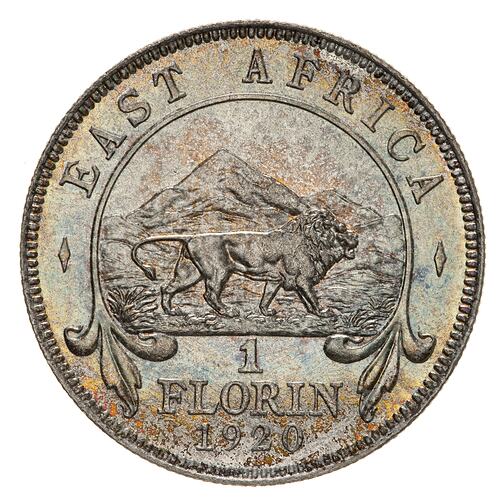
The new Shilling was launched on January 1, 1922, across Kenya, Uganda, and Tanganyika, today’s TZ, and was fully established by June 1923. This was primarily done to align East Africa’s currency with the British sterling system for easier imperial trade.

The term “Shilling” traces back to the Anglo-Saxon “scilling,” meaning one-twentieth of a pound, from ancient roots tied to “splitting” or dividing value. This made it a natural fit for colonial trade aligned with Britain’s pound-shilling-pence system.


Kenya launched its independent shilling currency in 1966, replacing the East African shilling. Coins featuring Jomo Kenyatta’s portrait were introduced in April 1967.

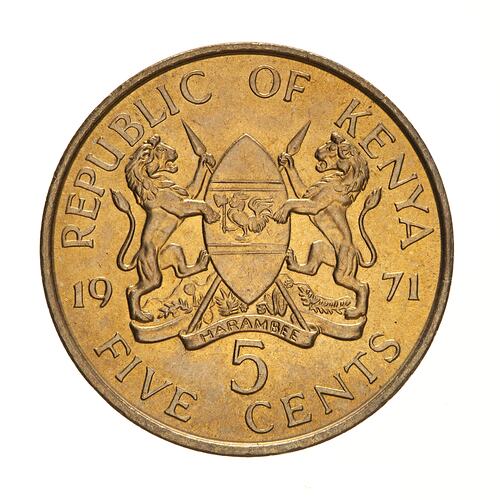
The 5 cents, 10 cents, 25 cents, 50 cents, and 1 shilling minted by the Royal Mint featured Kenyatta’s portrait on the front and the Kenyan coat of arms on the reverse. This design ran from 1967 to 1978, before Daniel arap Moi’s portrait took over in 1980.
Most millennials certainly found the “Ndururu”, Peni, King’otore, and Thumuni terms.
And that, my friends, is how rũbia came to be!