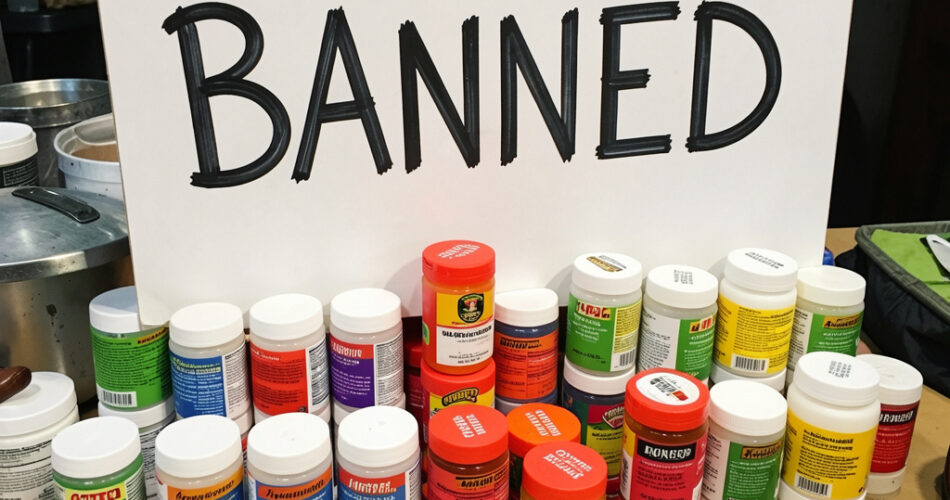
Unlike Kenya, the EU and countries across the Americas conduct regular safety reviews of consumer products. As a result, many products are recalled, restricted, or banned. Some products that the EU has banned or restricted since 2024 may still be on sale in Kenya today.
In Kenya, a corporation just needs a few hours or days to “speak” with the food testing bodies, and a product is back on shelves.
This is important to us Kenyans because anything that is banned or recalled in the EU and USA can easily find itself on our own shelves.
We have greedy leaders and unscrupulous businesspeople who do not care about the well-being of Kenyans. We have seen this with mercury-laced sugar and rice imports.
For instance, there was rice imported from Pakistan in September and October 2024, that failed the aflatoxin test. It exceeded permitted levels. KEBs was only able to seize 23k kilos out of a 2,000-tonne rice shipment, and the rest had been circulated in the markets.
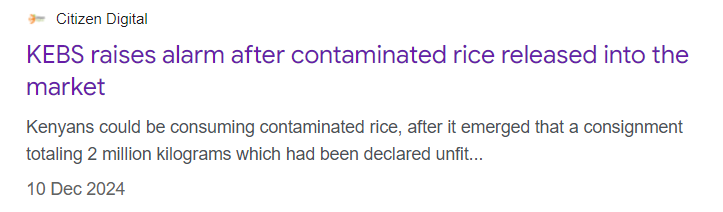
This raises concerns about potential health risks and proves that product standards aren’t checked before distribution in Kenya
Substandard stuff make their way into Kenyan markets every day. We’ve had Chinese egg products and dry batteries banned by KEBs a few years ago, but I’m certain they still made it to our markets.
In 2024, KEBS flagged 32 million litres of cooking oil that had entered the market illegally and STILL got distributed to Kenyans despite failing safety tests.
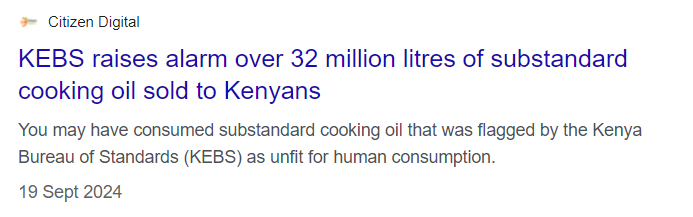
Products Recalled or Banned in the EU/US:
Brominated Vegetable Oil (BVO)
In the US, brominated vegetable oil (BVO) is a food additive made by bonding vegetable oil with bromine. It is used as a stabilizer in sports drinks and citrus drinks.
This BVO has been linked to thyroid problems, neurological harm, and bromine accumulation in body tissues, linking it to heart issues and behavioral problems.
It is banned in the European Union, the United Kingdom, Japan, and India.
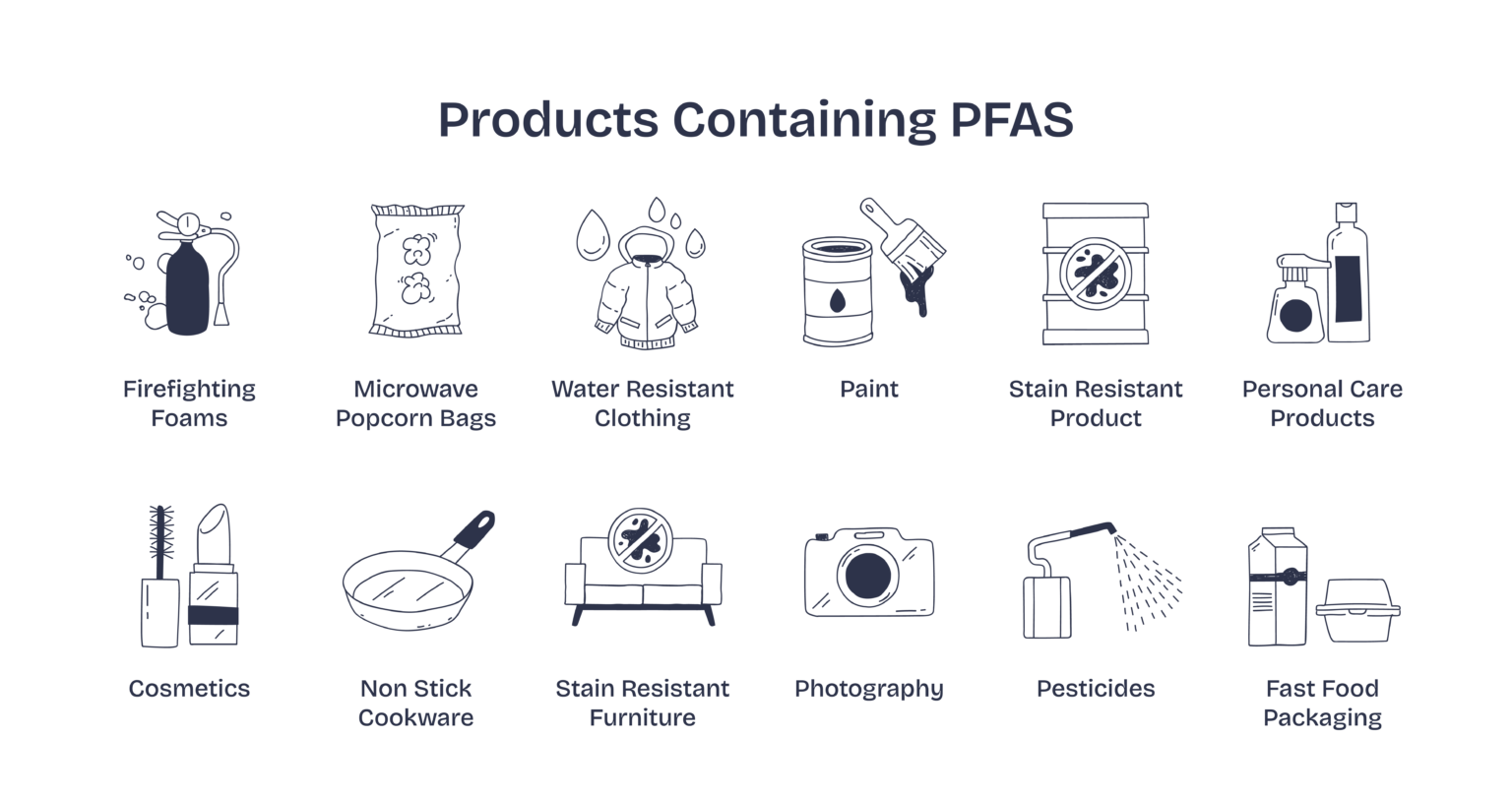
PFAS
✱ In the US, PFAS in food packaging, also called per- and polyfluoroalkyl and also known as a “forever chemical,” is a synthetic chemical widely used since the to make products resistant to heat, water, oil, and stains.
In kenya, you will find it in nonstick cookware, food packaging, and cosmetics.
✱ The USA implemented total bans on PFAS in cosmetics, dental floss, and menstrual products early this year. In the EU, a broad restriction on PFAS in consumer mixtures was adopted in early 2026 too.
Red Dye No. 3
✱ In the US, Red Dye No. 3, which is linked to cancer by the FDA, was banned.
Animal studies have shown thyroid enlargement, follicular cell changes, and tumors in rats.
✱ In the EU, products containing E127 must carry a warning about potential hyperactivity in children. Some studies suggest links to asthma and behavioral changes depending on intake and age.
I can bet if you look at Kenyan snacks, you will find this dye, it is also known as Erythrosine or E127. Check your labels.
Titanium Dioxide (E171)
Titanium Dioxide (E171) is used in industrial, cosmetic, and pharmaceutical manufacturing. It is used as a whitening pigment in paints, coatings, plastics, and paper.
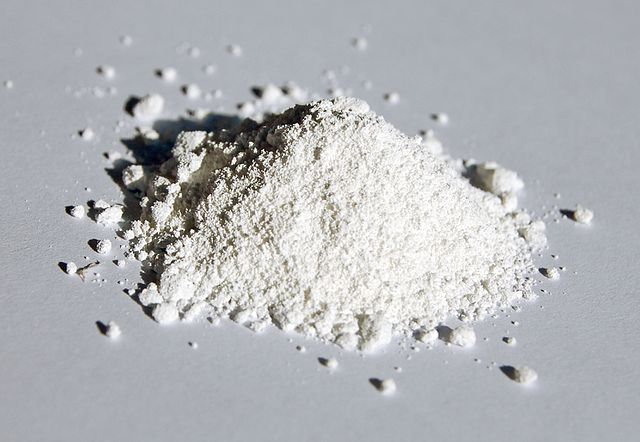
This chemical was banned in the EU due to potential DNA damage concerns
It’s used in Kenya in food whitening, as a whitening agent in things like chewing gum, candies, baked goods, and sauces.
Cosmetics and Personal Care
Lilial
Lilial is an ingredient used in cosmetics. You’ll find its commercial name, “lilial,” on product labels, but it is also known as butylphenyl methylpropional and p-t-Butyl-alpha-methylhydrocinnamaldehyde.
✱ According to the EU’s Scientific Committee on Consumer Safety, Lilial is an endocrine disruptor that interferes with natural hormone functions and poses a risk to fertility and fetal development.
Based on animal studies, it was also deemed a “carcinogenic, mutagenic or reprotoxic” substance.
✱ The EU Commission also demanded that companies must disclose on product labels and cannot include Lilial in the terms “fragrance” or “perfume.”
You’re likely to see it in our Kenyan local product ingredients as butylphenyl methylpropional or lilial in lotions, shampoos, and body washes.
{just google right now “products in Kenya with Butylphenyl Methylpropional, Butylphenyl Methylpropional ingredient”} Then tell me in the comments what product you find… 🤭

Not only that, but you’ll also find Lilial in household cleaners and detergents.
Did you also know that, In 2020, the International Fragrance Association also prohibited the use of lilial in lip and oral care products? Now you know!
Please check if your product of choice is listed here as a hazard.
Mercury and Hydroquinone
Dozens of brands were banned across the EU in 2024-2025 due to illegal levels of these two chemicals that are mostly used in skin lightening cosmetics.
Hydroquinone is prohibited for use in cosmetic products sold to end consumers in the EU.
NB: The famous Caro light cream is banned in the EU for failing to meet safety standards as it has an excessive concentration of kojic acid at 2.03%. The excess affects the thyroid system and induces skin sensitisation when used at high concentrations on the hands and face.
Other Household Goods
Disposable E-Cigarettes
Several EU nations banned disposable vapes in 2024 and 2025, citing both environmental waste and youth health.
PFAS-Coated Cookware
In the USA, “non-stick” PFAS pan bans went into effect on January 1, 2026 in a few states like Colorado, Connecticut, and Minnesota.
Hazardous USB Chargers
The EU Safety gate banned generic USB chargers and LED lighting chains in 2025 due to electric shock and fire risks.
Insecticides
The popular cockroach killer, Green Leaf, was banned in France, Canada, US and the Philippines in 2025.
It contains fipronil, which is toxic if swallowed, toxic in contact with skin, fatal if inhaled, and causes damage to organs through repeated exposure.

Unfortunately, Kenyans are still buying it on the streets. Wewe bado unaambia mtoto akamwage kwa cabinet? ama ni Kabat 🤣? Stop buying it.
Safety starts with you! So search and mention below the popular product/brand with the ingredients mentioned.