The UK, unlike Kenya, enforces stringent regulations to ensure consumer safety in cosmetic products.
KEBs put out a ban notice here, and what they list are products you shouldn’t be buying, not the exact ingredients or combinations you should be worried about.
Since these products are shipped here as well, let’s take a look at the UK-banned cosmetic ingredients you should know about.
Banned Ingredients due to their potential health risks as of 2025
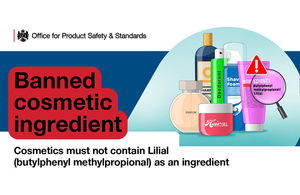
Butylphenyl Methylpropional (Lilial)
A fragrance component banned due to its classification as a reproductive toxin.
Hydroquinone
Previously used as a skin-lightening agent, now prohibited because of potential skin irritation and other health risks.
Mercury and Mercury Compounds
Banned for their toxicity and potential to cause serious health issues.
Corticosteroids
Illegal to sell in cosmetic creams without medical supervision due to potential health risks.
Human-Derived Exosomes
Prohibited in cosmetic products because of the risk of disease transmission and regulatory non-compliance.
NB: Human-derived exosomes are typically harvested from adult stem cells e.g., adipose tissue or bone marrow or perinatal tissues e.g., umbilical cord, placenta, or amniotic fluid.
Zinc Pyrithione
Previously used as a preservative and anti-dandruff agent, banned due to safety concerns. Long-term exposure causes fungi and bacteria to build up resistance, making dandruff harder to control over time.
Sodium Hydroxymethylglycinate
A preservative banned for its potential to release formaldehyde, a known carcinogen.
You will find is labeled as SHMG as well. It appears under multiple aliases. Here are the most common:
- Sodium Hydroxymethylglycinate (the standard name)
- Glycine, N-(hydroxymethyl)-, monosodium salt
- N-(Hydroxymethyl)glycine, sodium salt
- Hydroxymethylaminoacetic acid, sodium salt
- Sodium N-(hydroxymethyl)glycinate
There are dozens more variations, but ‘hydroxymethyl’ and ‘glycinate’ together indicate SHMG presence. A simple Google will show you how many such products are in use in Kenya.
Methoxyethyl Acrylate
Banned due to its classification as a hazardous and carcinogenic substance.
It will also be listed as Hydroxyethyl Acrylate/Methoxyethyl Acrylate Copolymer, Hydroxyethyl/Methoxyethyl Acrylate/Butyl Acrylate Copolymer,
Acrylates/Hydroxyethyl Acrylate/Methoxyethyl Acrylate Copolymer
Depending on product formulation, it can cause genetic defects, damage fertility, or harm an unborn child as well.
Deoxyarbutin
A skin-lightening agent banned for its potential health risks.
It decomposes easily in the presence of water, breaking down into hydroquinone over time.
You’ll find it listed in cosmetics as Tetrahydropyranyloxy Phenol, D-Arb, dA.
Theophylline
Banned due to its classification as a hazardous substance. It is classified as a reproductive toxicant.
Azadirachta Indica Seed Oil
Banned for its potential to cause skin sensitisation. It is considered a carcinogenic, and toxic for Reproduction in the EU. It is also not approved to use as pesticide.
Trimethylolpropane Triacrylate
Banned due to its classification as a hazardous substance.
Pentetic Acid and Pentasodium Pentetate
Banned for their potential to cause skin irritation and other health risk
In addition to outright bans, the UK has imposed restrictions on these ingredients
Methyl Salicylate:
Commonly found in fragranced products and mouthwashes, this ingredient is now limited to specific concentrations depending on the product type and the age group it’s intended for. For instance, in mouthwashes, the limit is set at 0.1% for children aged 6-10 years and 0.4% for those over 10 years and adults.
Benzophenone-3 (Oxybenzone):
Used as a UV filter in sunscreens and other cosmetics, its concentration is now restricted to 6% in face, hand, and lip products, and 2.2% in body products.
Kojic Acid:
Often used for skin lightening, it’s now restricted to a maximum concentration of 1% in face and hand products.
Retinol and Related Compounds (Retinyl Acetate, Retinyl Palmitate):
While not yet restricted in the UK, the EU has set limits of 0.05% in body lotions and 0.3% in other leave-on and rinse-off products, with mandatory labeling about vitamin A content.
Companies will no longer be allowed to introduce products containing retinol, retinyl acetate, or retinyl palmitate that do not comply with the set conditions.
As we wait for our own Kenyan government to impose further restrictions and bans on top of what is already banned better safe than sorry.
For now, follow UK directives on Kiispace and read ingredient lists before using a product you buy locally. Take a picture of the ingredient list and search existing bans.
Be Safe!