
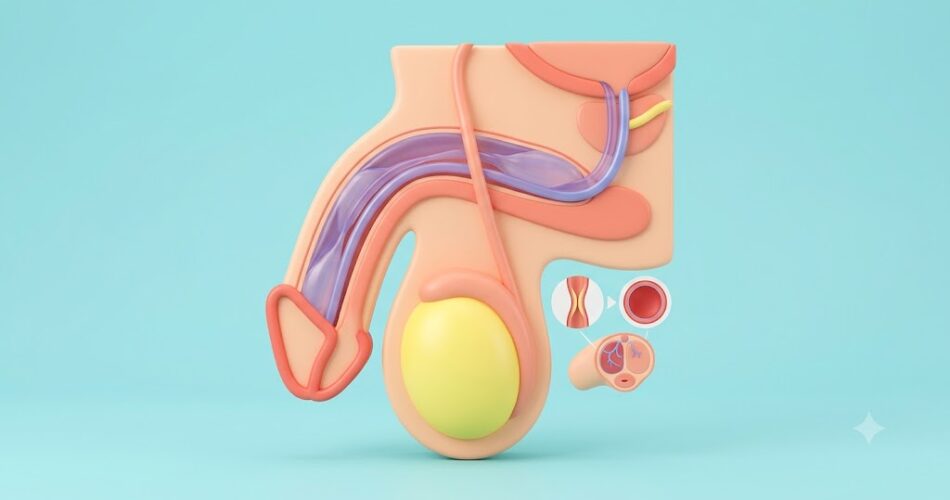
Erectile dysfunction (ED) is one of those topics many men on here would rather avoid talking about. Yet it’s far more common than most people think, and it affects men of all ages. While stress, anxiety, and relationship issues do play a role, many cases of ED have been linked to physical health conditions by doctors and researchers.
Understanding the possible causes is the first step toward finding the right treatment. If you’re experiencing ongoing erectile problems, it’s important to see a healthcare professional rather than suffer in silence.
Nowadays, a doctor is a chat away for the shy people.
Health Conditions That Can Cause Erectile Dysfunction
Several medical conditions affect blood flow, nerve function, or hormone levels for both genders; these affected areas are also needed for a healthy erection.
Some of the Most Common Include
- Diabetes ➨ High blood sugar can damage nerves and blood vessels over time, making it harder to achieve or maintain an erection.
- Heart and blood vessel disease ➨ Conditions such as atherosclerosis (narrowing of the arteries) and high blood pressure can reduce blood flow to the penis.
- Chronic kidney disease ➨ Poor kidney function can affect hormones, circulation, and overall health, contributing to ED.
- Liver disease ➨ Severe liver disease can disrupt hormone balance and sexual function.
- Multiple sclerosis (MS) ➨ Since MS affects the nervous system, it does interfere with the signals needed for an erection.
- Stroke ➨ A stroke can affect the parts of the brain and nervous system involved in sexual function.
- Peyronie’s disease ➨ This condition causes scar tissue to develop inside the penis, leading to curvature, painful erections, and sometimes erectile dysfunction.
- Hormonal disorders➨ Problems affecting the pituitary gland, hypothalamus, or low testosterone levels can contribute to ED.
- Advanced cancers and their treatments ➨ Some cancers, as well as treatments like surgery, chemotherapy, or radiation does affect sexual function.
- Long-term alcohol misuse ➨ Heavy drinking over time can damage nerves, lower testosterone levels, and affect blood flow.
Surgery Also Plays a Role – Certain operations, especially those involving the prostate, bladder, pelvis, or other parts of the reproductive system, sometimes damage nerves or blood vessels needed for normal erections.
This doesn’t happen to everyone, but it’s a known risk with some procedures.
Medications That May Affect Erections
Some prescription medicines can have erectile dysfunction as a side effect. Never stop taking your medication without speaking to your doctor first, as they may be able to adjust the dose or recommend an alternative.
Some medicines that may contribute to ED include;
- Some blood pressure medications, including certain beta blockers and diuretics.
- Some antidepressants, particularly certain older medications and some SSRIs.
- Some anti-seizure (antiepileptic) medications.
- Spironolactone, which is used to treat heart failure, high blood pressure, and some hormone-related conditions.
- Cimetidine, an older medication used for ulcers and acid reflux
- Recreational Drugs – Heavy or long-term use of cannabis, cocaine, opioids, methamphetamine, and excessive alcohol has been linked to erectile dysfunction.
Although some people believe these substances improve sexual performance, regular use often has the opposite effect and may, according to studies done, also reduce fertility.
The Bottom Line
Erectile dysfunction isn’t always a “just getting older” issue, and it isn’t something to be embarrassed about. It’s a sign that something else is happening in the body, such as diabetes, heart disease, or the side effects of medication that need attention.
If erectile problems continue for more than a few weeks, don’t ignore them. Talk to your healthcare provider. Early detection can help in getting treatment.
To avoid problems, consider regular exercise, such as walking, lifting, or jogging; a well-balanced diet; moderate alcohol consumption; avoiding excessive smoking; and managing chronic conditions as directed by your doctor.
Important Disclaimer: This post is for informational and educational purposes only. ED can be a sign of underlying health conditions. It is not a substitute for professional medical advice, diagnosis, or treatment.