
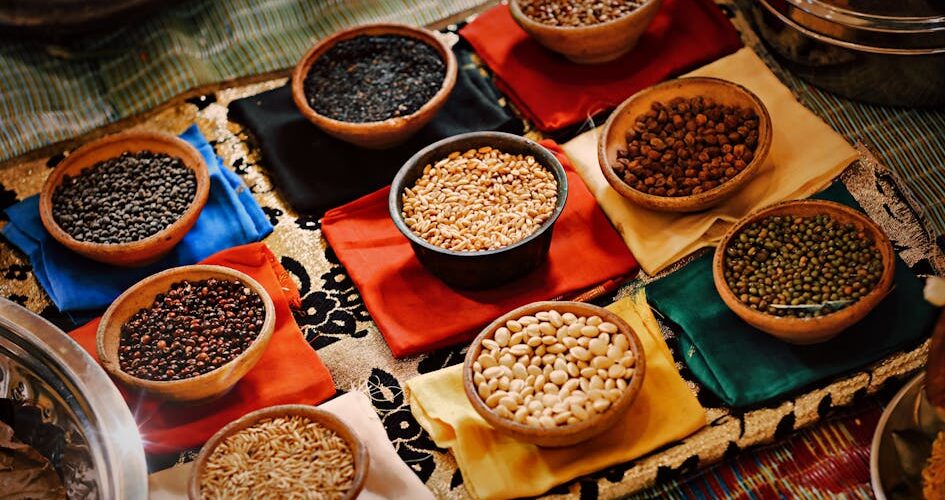
There is a very thin line between government overreaching and food regulation.
In most Western countries today, it is illegal to have a vegetable or food garden in one’s own compound, and it’s illegal to collect rainwater in most others.
It is, however, not illegal to plant plenty of flowers, put in fake grass, place plastic statues, and such aesthetic touches, but they ban having FOOD growing in a backyard.
This is significant to us as Kenyans because Ruto’s parliament attempted to bring us such laws. Laws that ban us from using our own indigenous seeds or even sharing them with our friends and neighbours.
Let’s Take a Look at the Bills Below:
1. The Seeds and Plant Varieties Act, Cap. 326
This particular law mandated that all seeds be registered, certified, and indexed in a national list. ANYONE found selling, sharing, or exchanging “unregistered” or “uncertified” indigenous seeds faced severe penalties: fines of up to KES 1,000,000 or up to two years in prison!
The law had granted “seed inspectors” sweeping powers to conduct arbitrary raids and seize uncertified seeds, depriving farmers of their property.
If we have kina kanjo and kebs being infiltrated by conmen who pose and steal from innocent Kenyans, imagine how bad this can get with “seed inspectors.”
This only takes a neighbour or friend who hates you reporting for a raid.
Fortunately, the Seed Savers Network and Greenpeace Africa took it to court, and the high court successfully dismantled the punitive sections of the Seeds and Plant Varieties Act that had criminalized the centuries-old practice of seed saving by communities and individuals. So this is a huge win!
Click this link to read what UN had to say.
These people are proposing laws that make Kenyans slaves to buying commercial seeds every planting season from corporations probably owned by foreign nationals, who will afford the “certification” fees.
We may have won this time, but the conniving foreign bodies and local “throttlebottoms” will definitely try to sneak the laws back like they’re doing with the Finance Bill 2026.
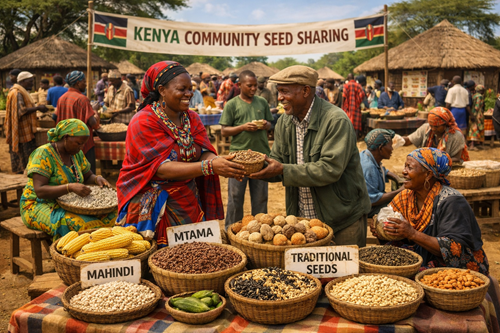
See, criminalizing the exchange of locally adapted seeds undermines Wanjiku‘s ability to feed families and communities, hence increasing food insecurity.
The seed and food monopoly being in the hands of the government takes away our food freedom.
This is the very country where you will have to report to a chief before you can fell a tree you planted. Yet, they are busy destroying huge chunks of our local forests.
2. The Seeds and Plant Varieties (Amendment) Bill, 2025 (Senate Bills No. 4)
This bill plans or planned to introduce a seed regulation system that would be administered by KEBs and KEPHIS.
The bill proposes commercial certification of seeds, which would automatically marginalize local farmers and the traditional seed exchange system that communities in Kenyans have relied on for decades, where local small-scale farmers breed resilient crop varieties for survival.
The bill is, however, not yet law; it is currently at the Senate for more debate.
3. The EAC Seed & Plant Varieties Bill, 2025
This bill is yet to be ruled on by the EALA assembly. It seeks to standardize seed laws across East Africa.
This is a threat to individual countries’ local farmers who sustain their livelihoods through the practises of the seed-sharing system and preservation of resilient local seed or crop varieties. I hope it doesn’t see the light of day!
Evidently, this chaotic government is busy pushing “commercialization” policies that aim to maximize export yields while leaving the local small-scale farmers who depend on their farms to feed their families. This is an existential threat to the independence and survival of smallholder farmers.
As a people, we must keep up with this government’s cunning ways and catch these proposals before they enact any into law. We must preserve our good old indigenous systems and food sovereignty.
So, is this really food regulation, or government overreach? Please let me know in the comments!