
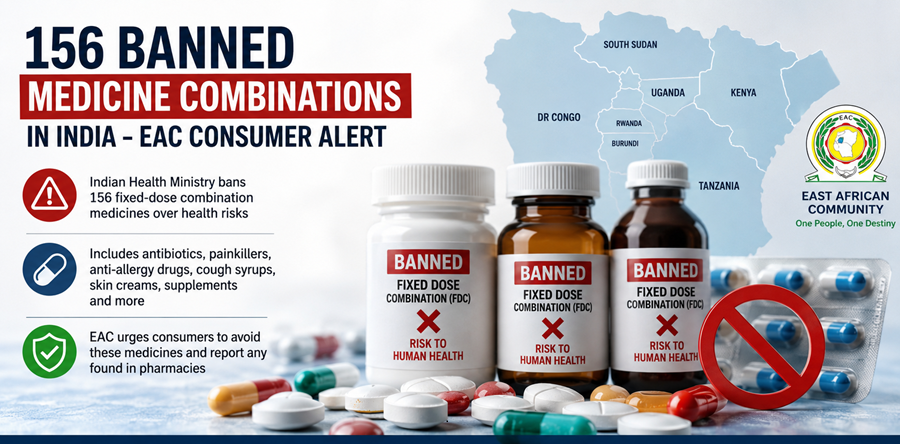
Most of the drugs sold in Kenya and the larger East African community mostly come from India. Many Kenyans seek medical care in India, where it’s cheaper.
It won’t be wrong to assume some of these medicine combinations are still in distribution to the unknowing population who go seeking help from chemists, and not hospitals.
In August 2024, the EAC issued a consumer alert following a major crackdown by the Indian government. The alert warned East Africans about 156 fixed-dose combination (FDC) medicines that had been banned in India after authorities concluded they posed potential health risks. View it here
FDCs, or Fixed-dose combination medicines, are drugs that combine two or more active ingredients into a single tablet, syrup, injection, cream, or capsule.
Some of the reasons given for the ban are:
- Lack of good scientific reason to combine certain ingredients in one medicine.
- Exposing patients to several drugs at once even when they may not need all of them was deemed irrational
- Multiple drugs increases liver toxicity risk the NSAIDs like Diclofenac, Aceclofenac, and Etodolac.
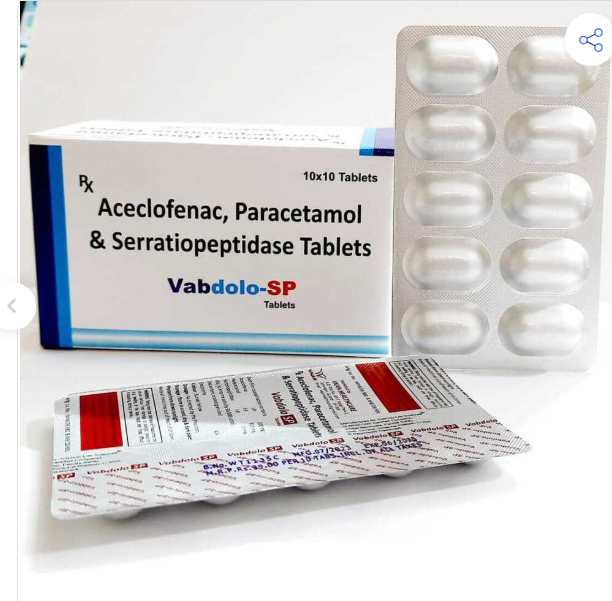
- Such a combination was found to just suppress symptoms and doesn’t treat actual causes, which delays proper diagnosis and treatment.
- Unnecessary antibiotic use encourages resistant bacteria.
- Mixing antibiotics with unrelated ingredients can encourage misuse.
NB: India has the world’s biggest antimicrobial resistance challenges, so regulators are aggressively targeting irrational antibiotic combinations.
- When a patient reacts badly to a medicine containing 5–10 ingredients, doctors may struggle to determine which one caused the reaction.
- Duplication, especially in cold and decongestant medicines, may cause an overdose.
- After reviewing available evidence, Indian experts concluded these drug combinations lacked sufficient clinical evidence to support their effectiveness.
Cold and Flu Combinations
Cetirizine + Phenylephrine
Levocetirizine + Paracetamol
Ambroxol + Phenylephrine
Bromhexine + Menthol mixtures
Painkiller Combinations
They were flagged because combining multiple pain medicines can increase risks to the liver, kidneys, stomach, or cardiovascular system.
such as:
- Paracetamol
- Diclofenac
- Etodolac
- Tramadol
- Mefenamic acid
Skin and Beauty Products
These included creams or soaps containing mixtures of:
- Aloe vera
- Tea tree oil
- Ketoconazole
- Vitamin E
- Kojic acid
- Zinc compounds
- Salicylic acid
Eye and Nasal Preparations
There were concerns about ingredient overload and questionable combinations.
Multiple eye-drop combinations involving:
- Naphazoline,
- Chlorpheniramine,
- Boric acid,
- Camphor,
- Menthol,
- Phenylephrine
What You Should Know
- Avoid purchasing the listed medicines
- Report suspicious products found in pharmacies, its simple, just record and share
- Seek guidance from licensed healthcare professionals
- Avoid self-medication with complicated combination drugs
- Avoid buying medicines without prescriptions
- Avoid using products marketed as “all-in-one cures”
This 2024 EAC (East African Community Competition Authority) alert should serve as a reminder that medicine safety is not only about counterfeit drugs, and that even legally manufactured products can face bans when regulators determine that their risks outweigh their benefits.
Check the ingredients list online before purchasing.
Hii ni Kenya, drugs with the banned combination are still in stores. Drugs like Febrex Plus Tablets,Dolomed MR Tablets , Acedol Paracetamol are good examples of drugs with banned combinations.
PDF Full List
Just google your favorite homa drugs and lemme know your findings in the comments!
Keep safe!