
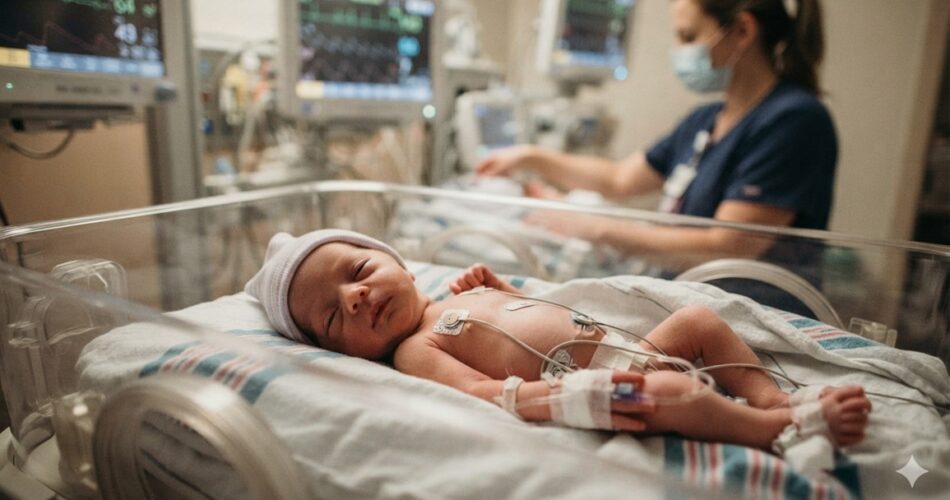
Septicemia is often referred to as sepsis or blood poisoning. It’s caused by bacteria getting into the bloodstream.
You’ll often hear “Alikua na blood infection, akakufa” and most times it is about sepsis. or septicemia.
Sepsis is rare, but it can be a serious complication of any type of infection. It may be caused by viral or fungal infection, but is most common following a bacterial infection.
Sepsis in babies often comes from untreated or severe infections, but it can also arise even when an infection is treated because newborns and infants have very delicate immune systems.
Hows does it happen?
Sepsis hits when an infection leaks into your bloodstream, sending your whole body into a dangerous, full-blown panic.
Common Sources of Infection That Can Lead to Sepsis
- Pneumonia or chest infection
- Urinary tract infections – UTI
- Meningitis
- Skin infections
- Gut infections
- Umbilical cord infections in newborns
- Any untreated bacterial or viral infection
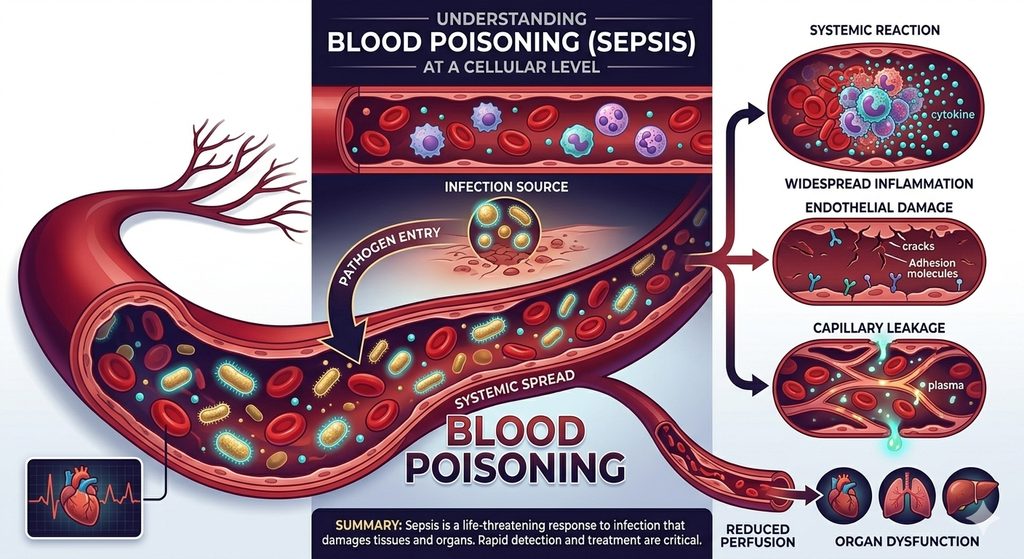
If these infections are not identified or treated early, bacteria or enter the bloodstream and this becomes sepsis.
Two Age Categories That Matter
1. Neonatal sepsis (0–28 days)
- Can come from the mother during pregnancy or delivery (e.g., Group B Strep, E. coli).
- Can also come after birth from the environment, poor hygiene, umbilical cord infection, or hospital-acquired germs.
2. Infant sepsis (1–12 months)
- Mostly comes from untreated respiratory infections, UTIs, or gastrointestinal infections.
Signs of Sepsis to look out for in a Baby
If a baby has any of these, that’s an emergency rush to the hospital immediately you note any and combination of these symptoms:
- Fever or very low temperature
- Fast breathing or difficulty breathing
- Excessive sleepiness or unresponsiveness
- Poor feeding
- Vomiting – green, black or bloody vomit
- Convulsions
- Cold hands/feet, pale skin
- Bulging soft spot (fontanelle) apo juu ya kichwa kufura
- Extreme fussiness or crying
- Reduced urination
- low temperature below 36C
- Temperature over 38C in babies under 3 months old
- Temperature over 39C in babies 3 to 6 months old
Even a treated infection can turn into sepsis if:
- Treatment started late
- The infection was resistant
- The baby’s immunity is too low
- The infection was more severe than it looked
What Increases neonatal sepsis ?
- There was a group B Streptococcus infection during pregnancy.
- The baby is premature.
- The water broke and the baby is delivered 24hrs later.
- Exposure to people who have contagious infections.
In our healthcare world, most cases are either untreated, under-treated, or not noticed early enough. Some parents believe in buying medications in the local chemists instead of seeking treatment in a registered facility.
According to the research on PubMed, Sepsis is the most common cause of death in infants and children worldwide.1-4 Childhood pneumonia has an estimated incidence of 0.29 episodes per child-year in pre-developed and 0.05 episodes per child-year in developed countries, making it the most common cause of pediatric sepsis.
It is also the leading cause of mortality in children less than 5 y of age.5 Pre-developed countries with large populations of children bear the major burden of pediatric sepsis.
Of the approximately 156 million new cases of pneumonia per year worldwide, 151 million are estimated to be in the developing world where a combination of contaminated water, poor sanitation, indoor air pollution, crowding, low birth weight, and insufficient immunization and nutrition allow pathogens to invade and multiply relatively unchecked in the body. Read the study here
Medical Disclaimer: This is for informational purposes only. For medical advice or diagnosis, consult a professional.