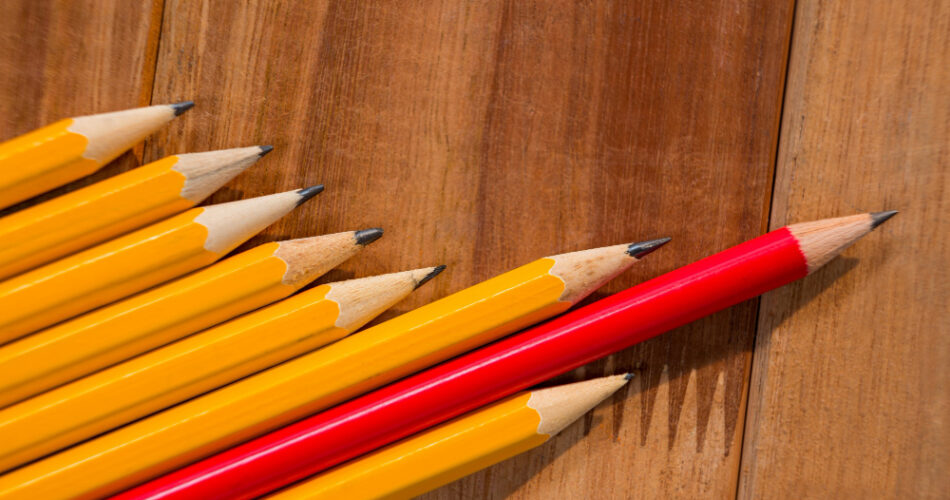
It’s not rare to hear someone say “na sikuizi HB ni pesa mingi, a whole 70 bob!” Oh yes, they are more expensive compared to when millennials were in primary school and bought them for 5 or 10 bob.
About Pencils, 📝
Historically, natural graphite was discovered and used as raw lead sticks for marking in the 1500s. Then, in 1795, Nicolas-Jacques Conté, a Frenchman, invented the modern method of graphite + clay cores, wooden casing, and patented it. This is considered the origin of the modern-day pencil.
Pencils in Kenya were imported from Europe and Asia during the late 19th and 20th centuries. They then became common in schools as education expanded under British rule.
Pencils come with degrees. The degree refers to the softness/hardness and the darkness of the graphite. The range of lightness or softness of the marks depend on the purpose of the user.
This range also helps writers and artists choose the right pencil for shading, drawing, architectural drawings or any other everyday use by children.
Pencil Grades
Pencils are graded from 9H – hardest, lightest to 9B softest, darkest, and HB is usually in the middle.
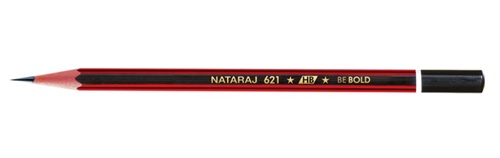
The HB we often see in our pencils, especially Nataraj and Steadtler, means hard black.
► H pencils, like 2H to 9H, contain more clay, making them harder for fine, light lines and more resistant to smudges.
► B pencils, from B to 9B, have higher graphite content, creating bold, dark strokes that blend easily.
► HB and F have balanced options; HB for general writing and sketching, F for a fine point.
► From B to 2B, it gives soft shading, tonal modeling, and it’s best for blending
► The 3B to 9B give very soft deep shadows, expressive strokes, and are best for portraits.
► The B to 8B are soft grades mostly used by artists and other creatives for shading.
In Kenya, HB is usually the Standard for schools and general writing, with brands like OfficePoint, Maped, Staedtler, and the most popular Nataraj.
Notably:
Staedtler pencils are a German brand. Founded in 1835 by Johann Staedtler in Nuremberg, Germany. It’s one of the world’s leading manufacturers of writing and drawing stationery, with a large portion of its production still taking place in Germany today.
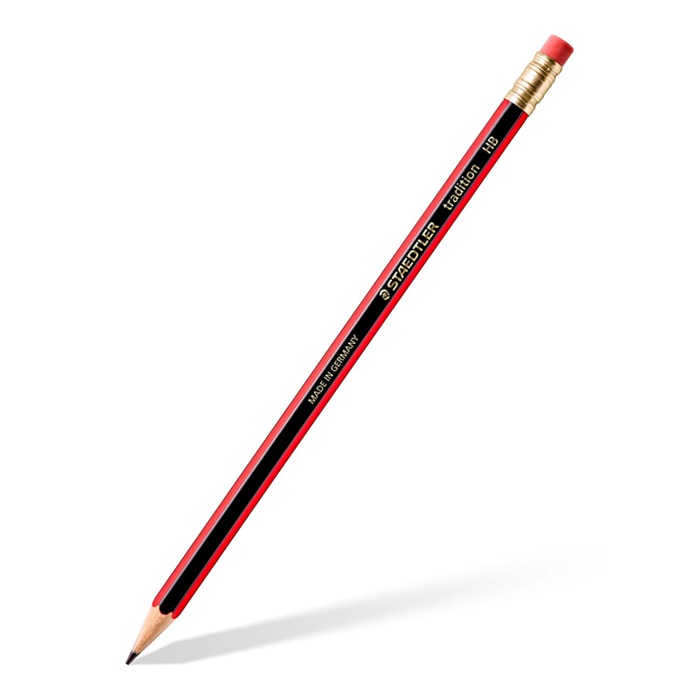
The founder, Friedrich Staedtler, manufactured and sold wood-cased pencils in the 17th century, and Johann Sebastian Staedtler, his great-grandson, laid the foundation for the STAEDTLER Group as it’s called today.
Nataraj pencils are produced by Hindustan Pencils Ltd, India’s leading stationery makers, established in 1958 in Mumbai.
As a country, we don’t have significant pencil manufacturers. Kenya once had The National Pencil Company in Nyahururu, which collapsed in 1988.
However, Kenya has small producers who started in 2010s like MOMO Pencils based in Athi River – they produce cute and colourful pencils, and Green Pencils Ltd, based in Nairobi, they focus on recycling newspapers for their pencils.
There is also Recycled Pencils and Pens International Ltd or RPP, based in Ngong. They manufacture branded, environmentally friendly Pencils and Pens from waste newsprint and magazines.
Neither has specified whether they produced all types of pencils and shapes for various needs.
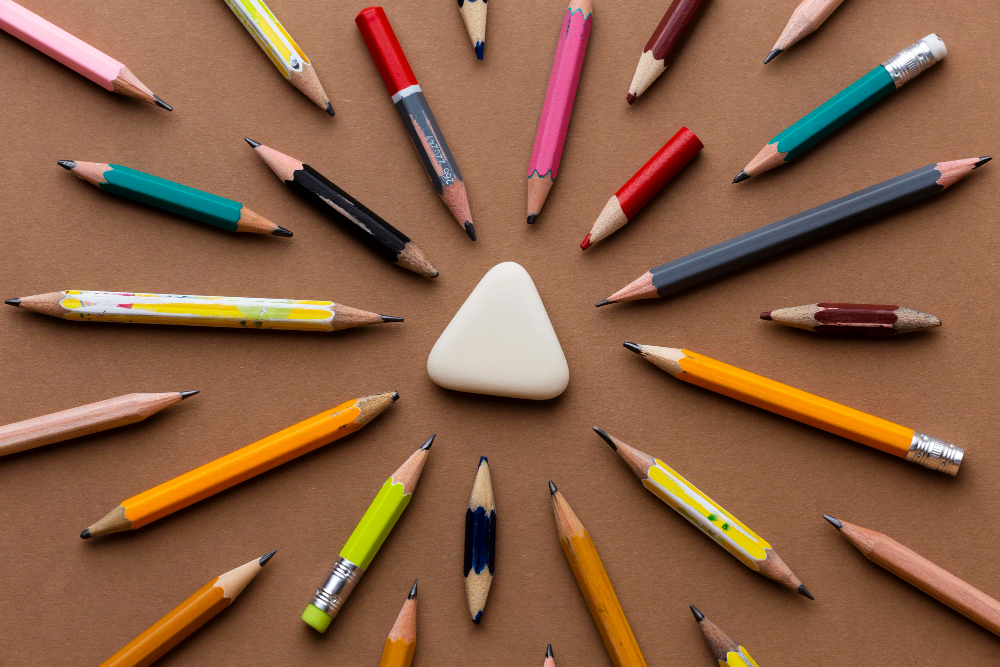
Pencils come with Shapes!
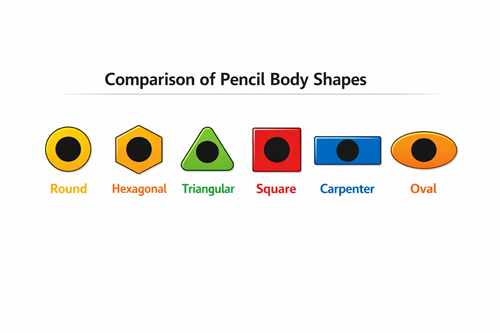
Pencils come in several body shapes, each for comfort, grip, and control.
Here’s a Quick Rundown:
Round
They have a smooth, cylindrical body and are easy to roll. Great for daily writing and sketching.
Hexagonal
These have a six-sided body that prevents rolling. They have a firm grip, great for grade school kids, and office use.
Triangular
These are three-sided – an ergonomic design that promotes correct finger placement. Great for children who are learning to hold pencils.
Square
It has four flat sides. They’re mostly artists’ and carpenters’ pencils.
Rectangular
They’re flat, with a wide body that resists rolling. It marks rough surfaces and is mostly used in construction and woodworking.
Oval or Ergonomic Grip
These pencils are rounded and slightly flattened; they are designed for comfort. They are considered a premium grade.

Which Pencils Are Good for Children?
According to research, triangular pencils are recommended as the best for preschoolers, that is, the PP1 and PP2 kids, and probably up to grade 2, because of their ergonomic design that helps with kid’s grip development.
Triangular shapes are said to enhance fine motor skills in kids by guiding fingers into the ideal three-point hold, thumb, index, and middle fingers.
According to studies, this prevents slipping on the tiny fingers and is very helpful for ages 3–5-year-olds who are learning how to write.
Recommendations for Kids:
➣ Start with the triangular ones. From pencils to crayons, and color pencils as well.
➣ Avoid the thin and round pencils until age 6 when motor skills are fully developed.
Now you know! ✏️
Pencil, Indeed, Makes Perfect.