
Religious relics have fascinated people for centuries. Remains like bones, teeth, blood, hair, clothing or other objects associated with revered religious figures.
Some are displayed in elaborate reliquaries, while others remain inside churches, mosques, monasteries or museums.
A relic is generally a physical object connected to a revered religious person or event. The connection might involve a person’s body, clothing, belongings or something associated with an important religious event.
For believers, relics are a physical connection to people whose lives hold religious significance. For historians, they also raise questions about provenance, preservation and how traditions surrounding sacred objects developed over time.
Some relics have competing claims about their authenticity. Several locations, for example, claim to possess different parts of the same saint’s body.
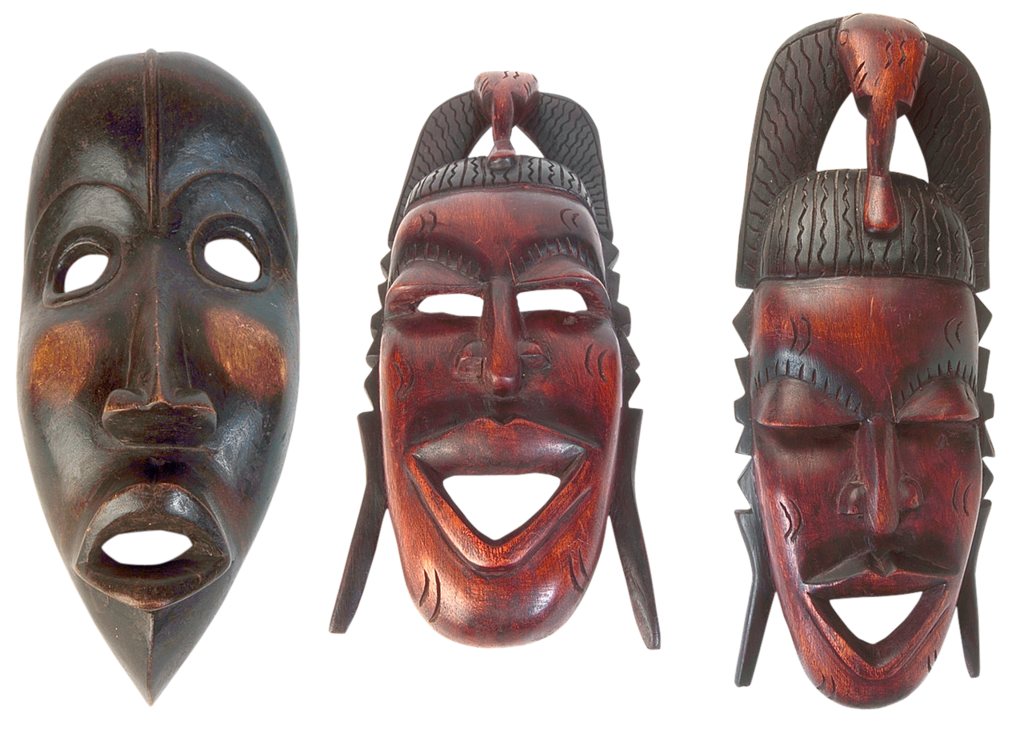
Another fascinating thing is that if an African kept these things, they’d be vilified for practicing ‘witchcraft’, and those who do, are taken to be “devil worshipers” today.
Body Parts, Blood and Sacred Objects: Strange Relics of Abrahamic Religions:
1. The Head of St. John the Baptist
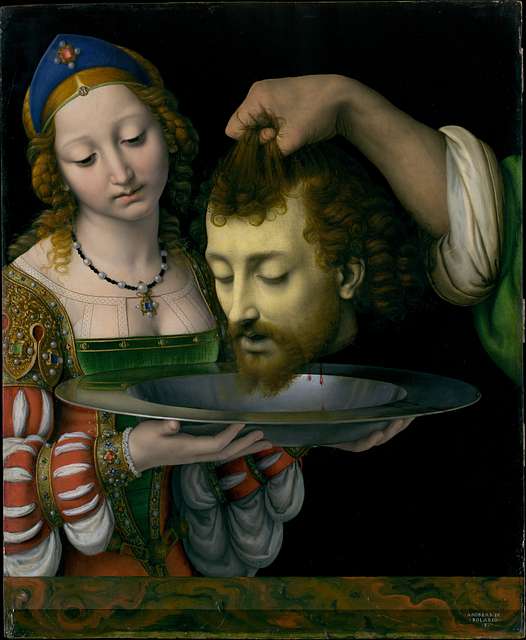
John the Baptist is one of the most important figures shared by Christianity and Islam. Christian tradition identifies him as the prophet who baptized Jesus, while Islam recognizes him as Yahya, a prophet of God.
According to the New Testament, John was executed after criticizing Herod Antipas for his marriage to Herodias. His death has long been remembered as an example of a religious figure confronting political power.
Several places claim to possess portions of John’s remains.
The head and skull
- San Silvestro in Capite, Rome, Italy: Traditionally identified as holding part of John’s skull.
- Amiens Cathedral, Amiens, France: Houses a famous relic traditionally identified as part of John’s head.
- Umayyad Mosque, Damascus, Syria: A shrine inside the mosque is traditionally associated with the head of John the Baptist, known in Islam as Yahya.
- Residenz Museum, Munich, Germany: Holds a relic traditionally identified as part of John’s skull.
Arms and hands
- Topkapı Palace, Istanbul, Turkey: Houses a relic traditionally identified as John’s right arm.
- Siena Cathedral, Siena, Italy: Traditionally associated with another portion of John’s arm.
- Cetinje Monastery, Cetinje, Montenegro: Traditionally said to hold John’s right hand.
Other remains and traditional burial sites
- Florence Cathedral, Florence, Italy: Traditionally associated with a finger bone.
- Sveti Ivan Island, Bulgaria: Archaeological excavations uncovered human remains that were identified by some Christian traditions as relics of John the Baptist.
- Sebastia, Palestine: The Nabi Yahya Mosque stands at a traditional site associated with John’s burial.
With several locations claiming different parts of John’s body, the relics also illustrate one of the recurring mysteries surrounding medieval religious relics: how did the same saint’s remains end up associated with multiple places? Mmh?
2. The Hand of St. Teresa of Avila
Teresa of Avila was a Spanish mystic, writer and reformer who played a major role in the reform of the Carmelite order. She was later declared a Doctor of the Church.
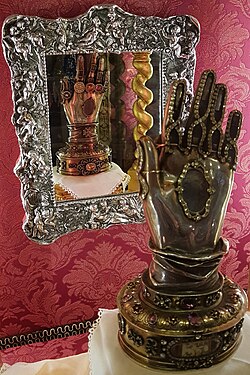
Her remains became divided among several locations after her death, with different parts preserved as relics.
One of the most famous is her left hand, traditionally regarded as an incorrupt relic.
During the Spanish Civil War, Republican forces recovered the hand from its hiding place and Francisco Franco later took possession of it after Nationalist forces recovered it.
The hand eventually returned to the Carmelite nuns at Ronda, where it is preserved as a religious relic.
3. The Heart of St. Camillus de Lellis
Camillus de Lellis dedicated his life to caring for sick and dying people. He founded the Ministers of the Sick, commonly known as the Camillians, and became associated with a distinctive red cross worn on his clothing.
He is now regarded as the patron saint of the sick, hospitals and healthcare workers.
After his death in 1614, his heart was preserved as a relic. It is kept at the Church of St. Mary Magdalene in Rome, where he died.
4. The Tongue of St. Anthony of Padua
Anthony of Padua was a Franciscan friar and preacher known for his sermons and theological writings.
More than three decades after his death, his tomb was opened in 1263 during the transfer of his remains. According to the tradition surrounding the event, most of his body had decomposed, but his tongue was found preserved.
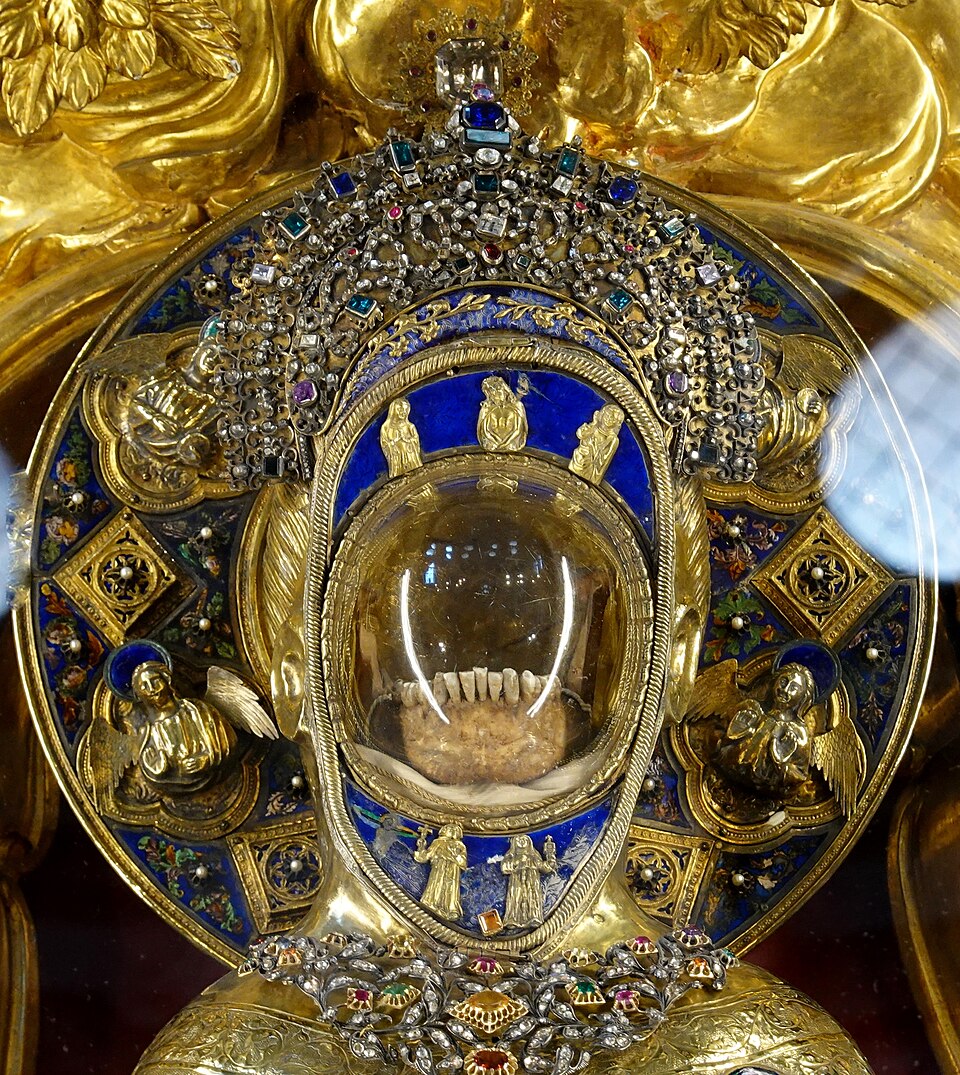
The tongue became one of his most famous relics, and it is displayed inside the Basilica of Saint Anthony in Padua.
5. The Blood of St. Januarius
Januarius, also known as San Gennaro, was a Christian bishop and martyr associated with Naples. His blood is preserved in two glass ampoules kept in the Cathedral of Naples.
Several times a year, the ampoules are brought out during religious ceremonies. The dried substance traditionally identified as Januarius’s blood sometimes becomes visibly liquid. This phenomenon is known as the liquefaction of the blood of St. Januarius.
Some believers have interpreted the failure of the blood to liquefy as a bad omen for the city.
The Church permits devotion surrounding the relic, but the liquefaction has not been established as a scientifically verified miracle.
6. Hair of Prophet Muhammad
Topkapı Palace in Turkey houses strands of hair traditionally attributed to Prophet Muhammad.
Known as Sakal-ı Şerif, these hairs are kept in small reliquaries.
The collection also contains other objects traditionally associated with Muhammad, including a tooth fragment, holy mantle, beard hairs footprint, personal seal, letters and weapons.
Few Others
- The Head of Hussein: the grandson of the Prophet Muhammad,
- Jesus Foreskin
- The Turin, burial Shroud of jesus
- King Stephen’s Holy Right Hand
- St. Catherine of Siena’s Severed Head and thumb
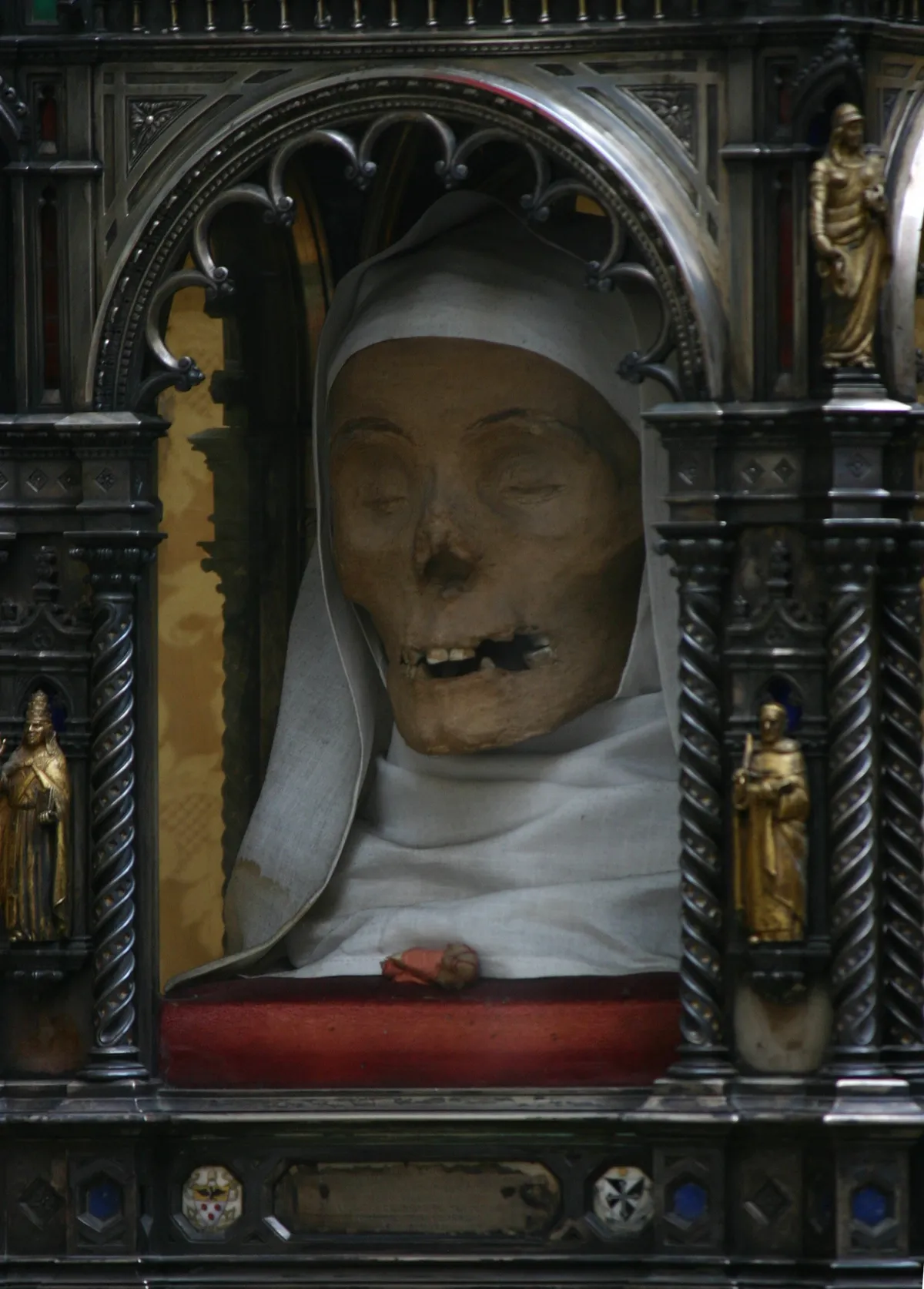
6. The mummified relic of St. Antoninus. Look at it here.
7. St. Oliver Plunkett’s Head, a 17th-century Irish martyr.
8. Saint Victoria’s Incorruptible Body
9. The cloak of Muhammad
10. the right arm of St. Francis Xavier
and many more!
Now Look at the double standard:
The Catholic Church openly recognises bodily relics as part of its religious tradition. Its current rules specifically discuss preserving bodies, bones and body fragments of saints, including procedures for authenticating and creating relics.
But when African religious traditions preserve bodies, bones, hair, teeth, ritual objects, ancestral remains or objects believed to contain spiritual power, European observers and mentally colonized Africans use very different vocabulary such as “witchcraft,” “heathenism,” “superstition” and “demonic”.
At the same time, European institutions collected African sacred objects and human remains and still keep them today… Why?
So perhaps the strangest thing about religious relics isn’t that humans preserve pieces of the dead. Humans have done that across cultures for centuries. The interesting question is why one community’s sacred bone becomes a relic while another community’s or race’ sacred object becomes “demonic”.
Who gets to decide the difference?