
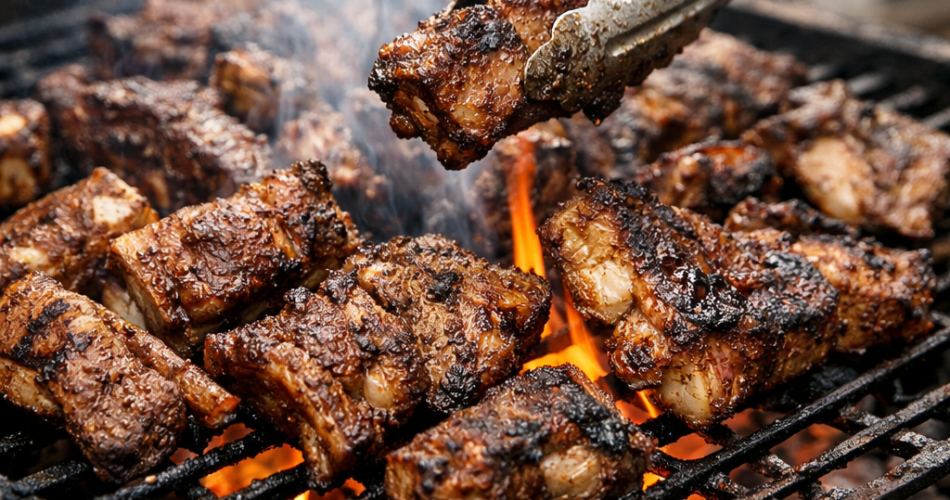
Our Gikũyũ ancestors were almost “vegetarians”, and meat was really a ceremonial luxury rather than a daily thing. Meat was slaughtered for a particular reason and not because people had to eat meat for protein.
The reasons for slaughtering were either legal, religious, or social.
For example:
- Mwana Guciarwo
- Mwana Gũcokio Ihuinĩ
- Kũhaata Miruru.
- Adoption.
- Initiation, warrior, and elder rites.
- Death and disease purifications.
- Prayers and atonement.
- Thanksgiving for the harvests.
- Ituika and compensation ceremonies.
- Peace-making ceremonies.
Taboos Connected with Meat Feasts
1. If the pot in which the meat was being cooked broke, a ram or ewe had to be sacrificed, ya kũhoria, to restore peace and ward off evil.
2. If, when slaughtering a goat or a sheep, the man who pulled out the lungs failed to bring out the heart at the same time, a ram or a ewe had to be sacrificed at once for purification.
3. If the eye of a goat or a ram burst when taking it out of the skull, a ram or a ewe had to be sacrificed for purification.
4. If the half-gourd in which the fat was put broke, a ram or a ewe had to be sacrificed for purification.
5. If the fire went out during a meat feast, a ram or a ewe had to be sacrificed for lighting a new fire.
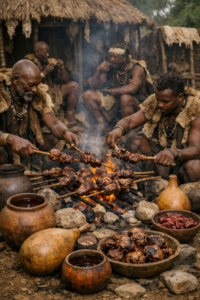
6. On the last day of a meat feast, the participants could not leave the cave or shelter by the entrance they had been using all the time, but each man had to break through the walls at a separate place and go out that way.
7. On the last day of the feast, each man had to put a little bit of meat on small skewers and leave it to roast at the fire made of all the rubbish and stakes used for the roasting platforms.
8. No man participating in a meat feast could sleep anywhere except at the shelter built for the feast.
9. No women or girls could enter the cave or shelter where a meat feast was taking place.
If these taboos are observed today, they’d be:
- Do not allow cooking pots to break.
- Remove the heart together with the lungs.
- Do not allow the eye of the animal to burst during removal
- Do not break the gourd used to store fat.
- The fire must never go out during the feast.
- Offer meat at the end.
- Stay within the designated shelter.
- No women or girls allowed.
- Exit differently on the final day.
Nĩkaũndũ karĩkũ ndatigirĩra?
#ũndũireWitũ #KikuyuTraditions