

Ever Looked up at the Sky in Nairobi and Thought, “That Cloud Looks like a Sheep… but Should I Carry an Umbrella?” “Carry Gumboots” or “Hire a Boat to Prepare for CBD Disaster”?
Let’s Start by Definition, I’m Sure You’ve Forgotten Your Form Two Geography Lessons:
A cloud is a hydrometeor consisting of minute particles of liquid water or ice, or of both, suspended in the atmosphere and usually not touching the ground. It may also include larger particles of liquid water or ice, as well as non-aqueous liquid or solid particles such as those present in fumes, smoke or dust.
Clouds are tiny weather informants, quietly telling us whether to plan a picnic or cancel an entire day, expect the sofas to float, or drown in Nairobi sinkholes.
Let’s break down the clouds you’ll commonly see in Kenya—and what they’re really saying.
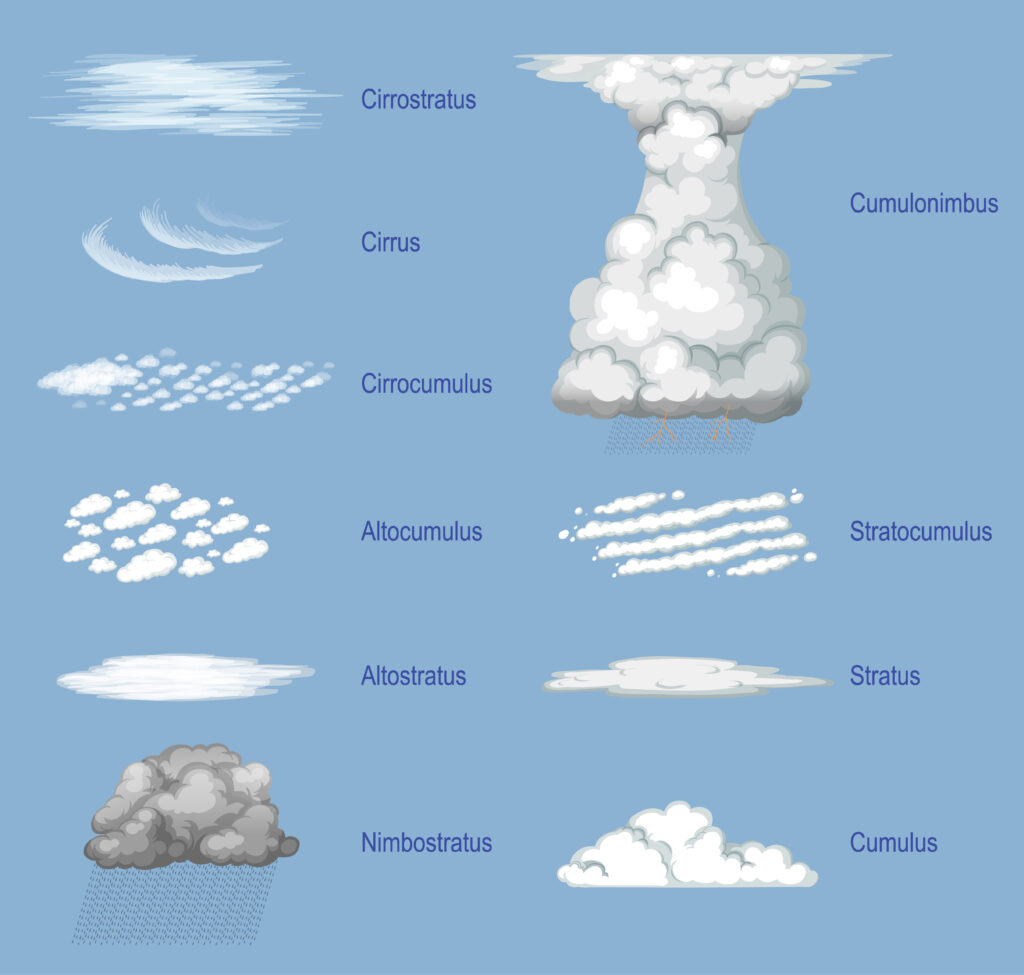
1. Cumulus Clouds
These are the fluffy, picture-perfect clouds that look like they belong in a children’s book. They’re bright white and puffy, and they show up warm and sunny.
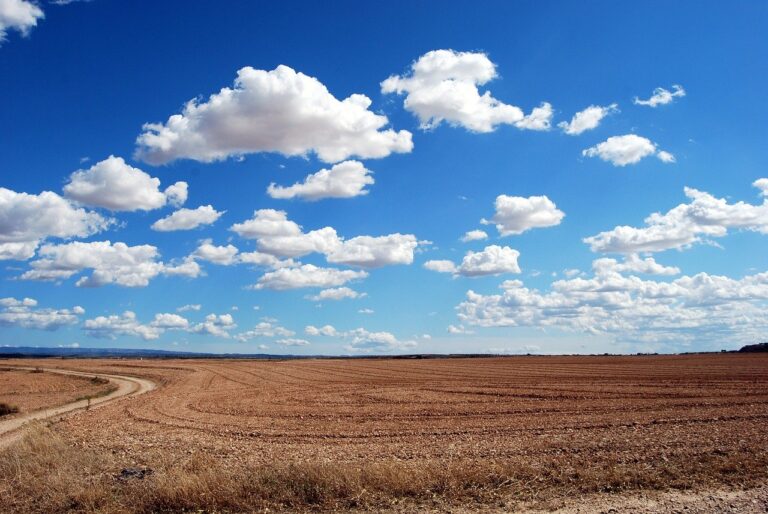
Harmless… until they’re not. They’re basically the “everything is fine” clouds. But they can evolve into something else pretty fast.
2. Cumulonimbus
Now these ones don’t come to play. They’re towering, dark, and intimidating.
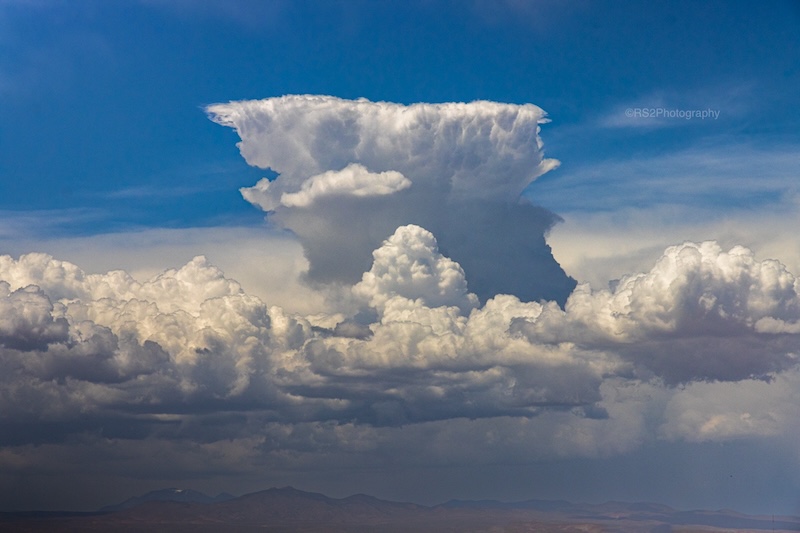
They bring heavy rain, thunder, and lightning. They can ruin your mood, and plans. These are common during rainy seasons, especially around Lake Victoria.
3. Stratus Clouds
These clouds wake up and choose gloom. They’re low, gray, and spread out.
These create overcast skies with a drizzle.

You’ll see them in cooler places like Limuru.
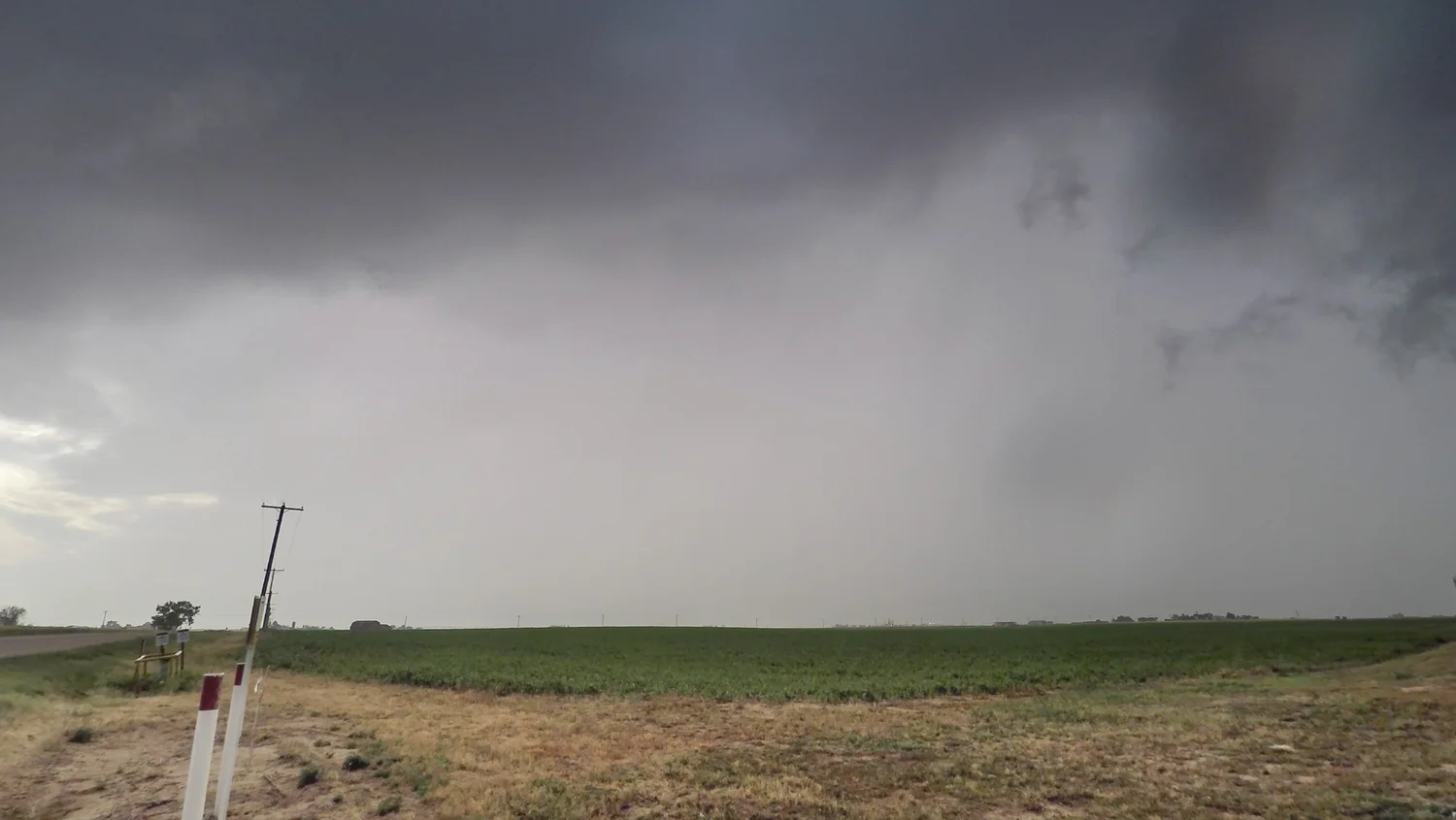
4. Nimbostratus
These are seriously thick, dark, and all over the sky. They bring steady, long-lasting rain, with no thunder.
5. Altostratus
These clouds are basically a polite heads-up. They’re gray or with bluish layers.
The sun looks blurred behind them, suggesting the rain is on the way.
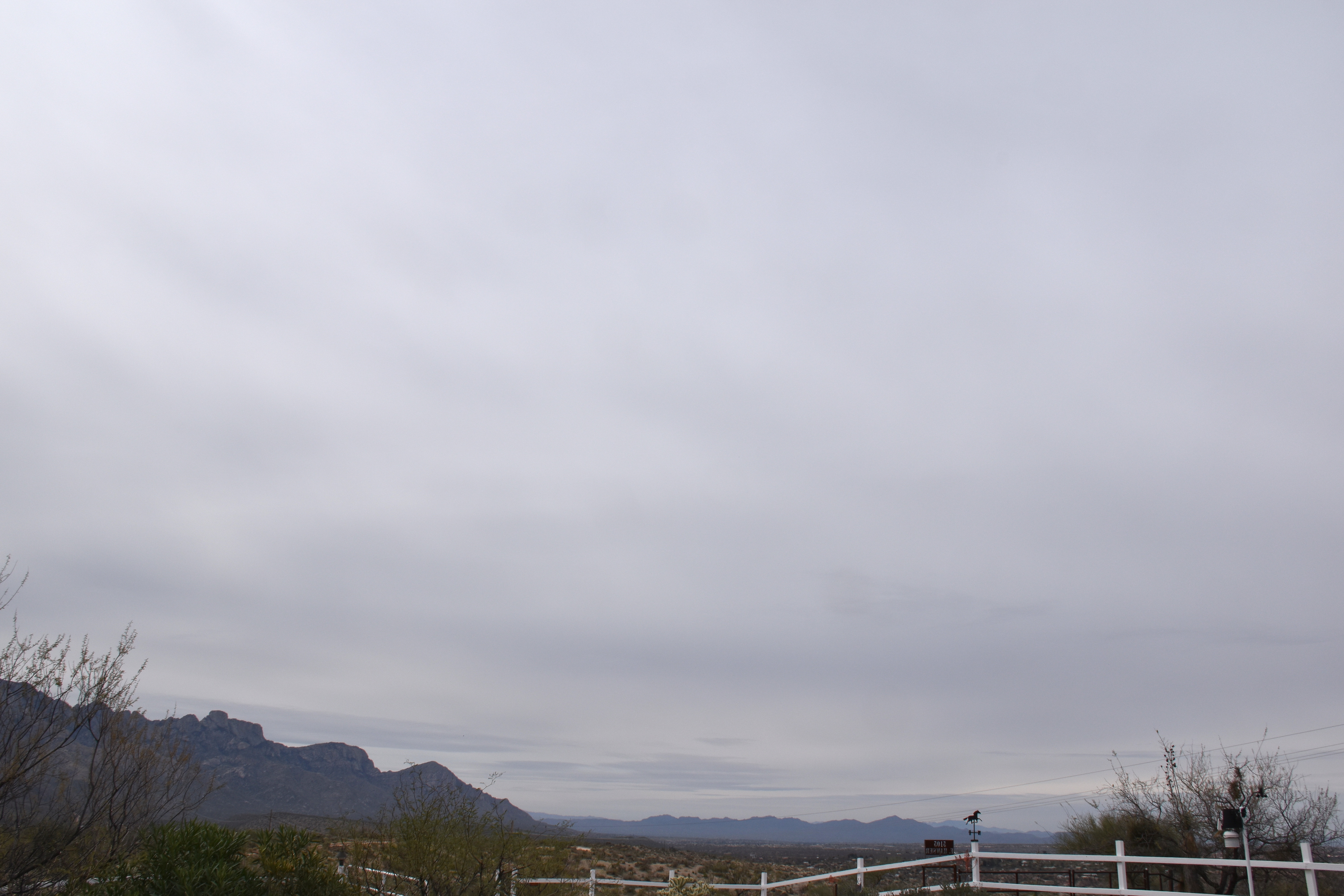
They’re the “you still wanna go to CBD at 4pm?” kind of clouds.
6. Cirrus
They’re thin, wispy, and pretty. They’re found high up in the sky

They’re made of ice crystals and usually signal fair weather. They’re very common in drier regions like Turkana.
7. Stratocumulus
These are low, lumpy, gray clouds and they rarely bring heavy rains.
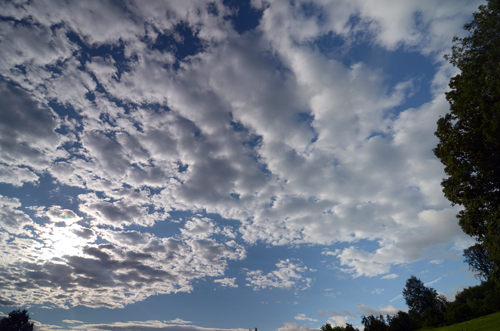
Their skies make look textured, like it couldn’t decide what it wants to be.
Specific Locations and Clouds That Dominate
1. Murang’a & Othaya – Cool Highlands, Tea Country Skies
These are elevated, green, and slightly cooler areas—perfect conditions for layered clouds.
What you’ll mostly see:
- Stratus clouds low, gray, moody skies especially mornings
- Nimbostratus steady rain
- Cumulus popping up when the sun warms things up
These areas tend to feel misty and calm, especially early morning or late evening.
2. Nanyuki – Mountain-Influenced Skies
Nanyuki is unique because of Mount Kenya’s influence.
Expect:
- Cumulus clouds due to strong daytime heating
- Cumulonimbus common afternoon thunderstorms.
- Orographic clouds clouds that “hug” the mountain slopes
Mornings are often clear, then by afternoon—boom! clouds start building up!
3. Ngong – Windy and Elevated
Ngong sits high along the Rift Valley edge and is famously windy.
Common clouds:
- Stratocumulus low, rolling, textured clouds
- Cumulus especially on sunny, windy days
- Cumulonimbus occasional storms
The wind here keeps clouds moving fast. You literally watch the sky change in real time.
4. Kajiado – Drier, Open Skies
Kajiado is lower, hotter, and more semi-arid compared to the others.
What dominates:
- Cumulus clouds scattered
- Cirrus thin, wispy high clouds
- Cumulonimbus rare but strong when they appear
Most days are bright and open.
Now you know!