
Before the European invasion that left even our meals colonized, Kikuyus ate very specific meals. They didn’t eat vegetable oils or seed oils, and they didn’t consume wheat and sugar as we know them today.
Kikuyu’s did not even have 3-4 meals in a day that we have today. I do think the many health issues we have today in the mountain stems mainly from bad eating habits and vastly, gluttony.
See:
- 6AM chai na slice nne za mkate
- 10am coffee and mandazi
- 1PM chapo and ndengu
- 4pm Chai na ngumuu,
- Ukifika home 7 Coffee and biscuits
- Others eat beer and pork to pass time
- Supper unakula 9pm ugali na cabbage .
Kikuyu main “oil” for cooking was just sheep tail fat or tallow. Our ancestors also ate fermented porridge and carried it on trips as a beverage. Now compare what we are consuming today; from energy drinks to sodas, to wheat several times a day for a whole year.
Sasa Diabetes type 2 itakosa aje?
The following are the foods the Kikuyu cultivated:
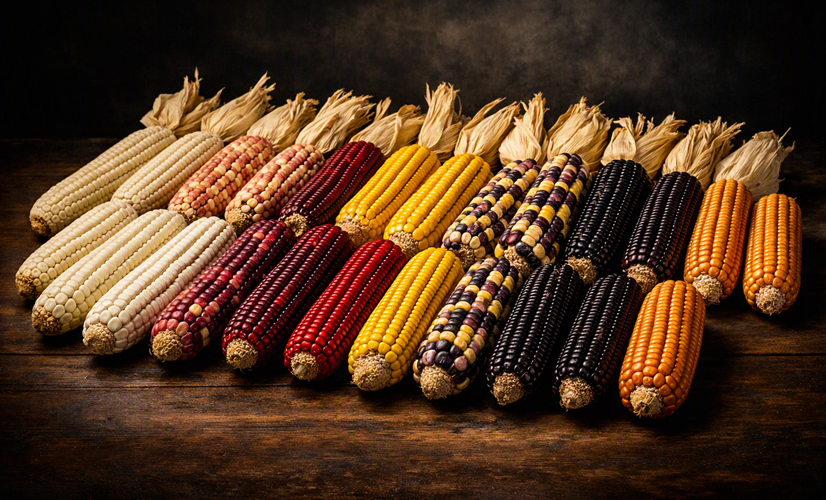
🌽Mbembe
Maize in three varieties: nyamũkũũ, njerũ, nyamũthaka.
Mwere
Bulrush millet in two varieties, one much taller than the other. The taller one was called mũraya
Mũkombi
Foxtail millet
Ũgĩmbĩ
Finger millet in two varieties, that is ũgĩmbĩ and the other known as ũgĩmbĩ wa gĩcara.
Mũhĩa
Indian Millet or Sorghum in three varieties mũthakame, nyamwerũ, mũruge. The muruge variety was huskless and was eaten raw.

Ngwacĩ
Sweet potatoe came in five varieties: mũndoro, nyakĩbũri, nyagĩkenye, nyamũirũ, nyacagatha.
Gĩkwa
Yam had five varieties: mũcara, mũcoho, ngĩrĩrĩ, ngwa-njirũ also called ngwa-naaro, mũrema·agendi also called mũcahĩ.
Njahĩ
Lablab bean . Came in three varieties: nyakabũri, nyamũirũ, nyagakondi.
Njũgũ
Pigeon pea or Bush pea had two varieties: nyagĩkoro, nyamũirũ.
Thoroko
Cowpea. Came in two varieties: nyagĩkoro, gacũri.
Ngĩna
Green gram, with only one variety, also known as thuu.
Mboco
Kidney bean. Had three varieties: nyamweri also called kĩboro, nduria, gacũri.
Ndũma
Edible arum. The plant itself is called mweũ and four varieties were popular: ndirũ, ragatĩ, thangari, ya mwanake.
Kĩgwa
Sugar-cane had five distinct varieties: nyamũirũ, nyamũnjerũ, nyamũcũra, nyamũmbũcĩ, nyamũteta this was only a sub-variety of nyamũmbũcĩ.
Irigũ kana Marigũ
Banana. The South Kikuyu recognised eight varieties, but north of the Chania River far more were recognised. The varieties were njuuru also called mũcuuru, mũraru, mũtahato, mũtika, mũthĩrĩrĩ, mũnjũũ, mbiri, gatumia.
Mũgwacĩ
Cassava was planted occasionally, since it was not a popular food. No particular varieties were recognized.
Vegetables
All leaves used were called nyeni, and several of the cultivated plants like the njahĩ bean, cowpea, the thangari species of edible rum, and beans, had edible leaves.
The Nyeni used was
- Terere
- Togotia

- Kĩgerema

- Kĩhiũ or Wild Lettuce
- Thabai
- Managu
Most preferred nyeni were Terere, Togotia, and Thabai.
For economic purposes, our ancestors also planted the following:
Mũbarĩki
Castor oil which had two varieties: Nyagĩkubu and Thigithigi.
Mbakĩ
Tobacco. That only had one variety: Nyagacũri.
Rũũngũ
Gourd plant which had four varieties: Rũũngũ rũa ndua, Rũũngũ rũa mĩcema, Rũũngũ rũa nyanja, Rũũngũ rũa inandũ.
Ihũithia Rĩerũ
It’s scientific name is Kalanchoe marmorata. Only one variety of Kalanchoe with light-coloured leaves, was cultivated for a variety of purposes. Its also known as Mahuithi, or Mukondiri.
Nyeki ya Kĩgutu
This thatching grass was cultivated for thatching purposes.

Mũhukũũra
Mondia whitei. Only one variety of Mondia was recognized. It was cultivated for its roots, which were ground into a powder used in magic. It was also in great demand among the Maasai, who traded for it.
It’s also knowns as Mukombero.
Ng’ondu ya Kĩondo
Scientific name is Notonia petreae. A creeping plant used in purification ceremonies.

Also, if you have photos you’ve personally taken for the above foods, especially the veges, and you’d like us to share with the rest of the Nyũmba, share with me and I’ll post them.
Otherwise, Decolonise your plate.